In Denmark, legislation does not allow a water loss rate of more than 10%. Over time, this has resulted in one of the world’s lowest average water waste rates of 7.8% and has placed Denmark as a front-runner in water technology and solutions.
The technologies are there – we just need the initiative
As water sources are already overexploited and populations are increasing, we need to apply better management. And what better way to start than by minimising our waste of water.
The revised EU Drinking Water Directive, which addresses water loss, drinking water quality, and infrastructure risk assessment requirements, gives hope that more decision makers will see the positive effects of legislation in crucial areas such as water infrastructure.
Silkeborg Forsyning, as case story of an optimised distribution network
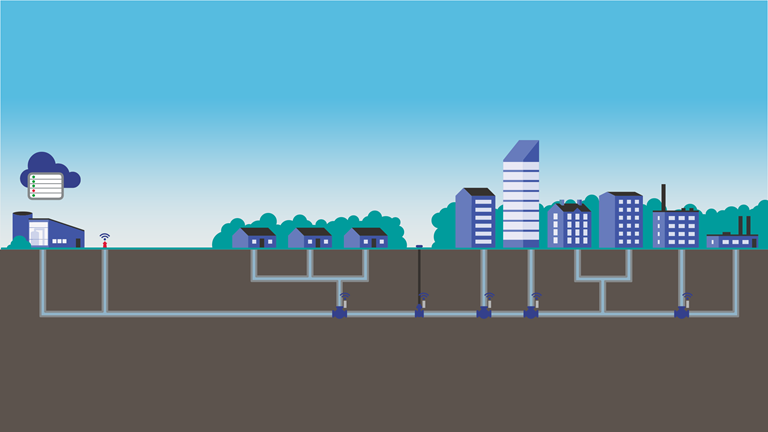
Silkeborg Forsyning, a Danish utility company located in Silkeborg, supplies drinking water to 60,000 consumers through a network of 640 kilometres of pipeline and 21,500 consumer meters, producing around 3 million cubic meters annually. Silkeborg Forsyning was looking for a way to optimise the water distribution network, as they lacked real-time insight into flow and pressure, making it difficult to detect leaks and reduce Non-Revenue Water (NRW).
To address this, Silkeborg Forsyning initiated a strategic plan to divide its network into 24 District Metering Areas (DMAs). This approach would enable better control, faster leak detection, more efficient operations, and a better foundation for new investments in the network.
Silkeborg Forsyning did look at several technologies to collect, send, and analyse data for flow and pressure. They ended up selecting AVK Smart Water for its technical fit and competitive pricing.
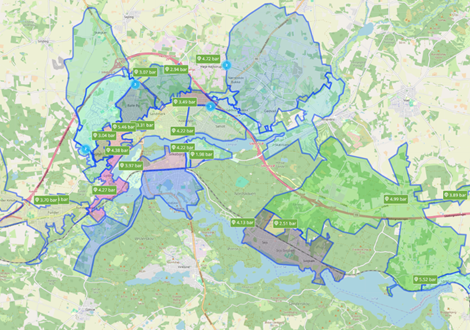
Smart Water monitoring provides insight into which of the 24 DMAs receive the most water at night, helping identify potential water waste. Alarms set on night-time flow alert in the event of breakage or unusual changes, providing valuable information for Silkeborg Forsyning remediation strategy and prioritising pipe renovations.
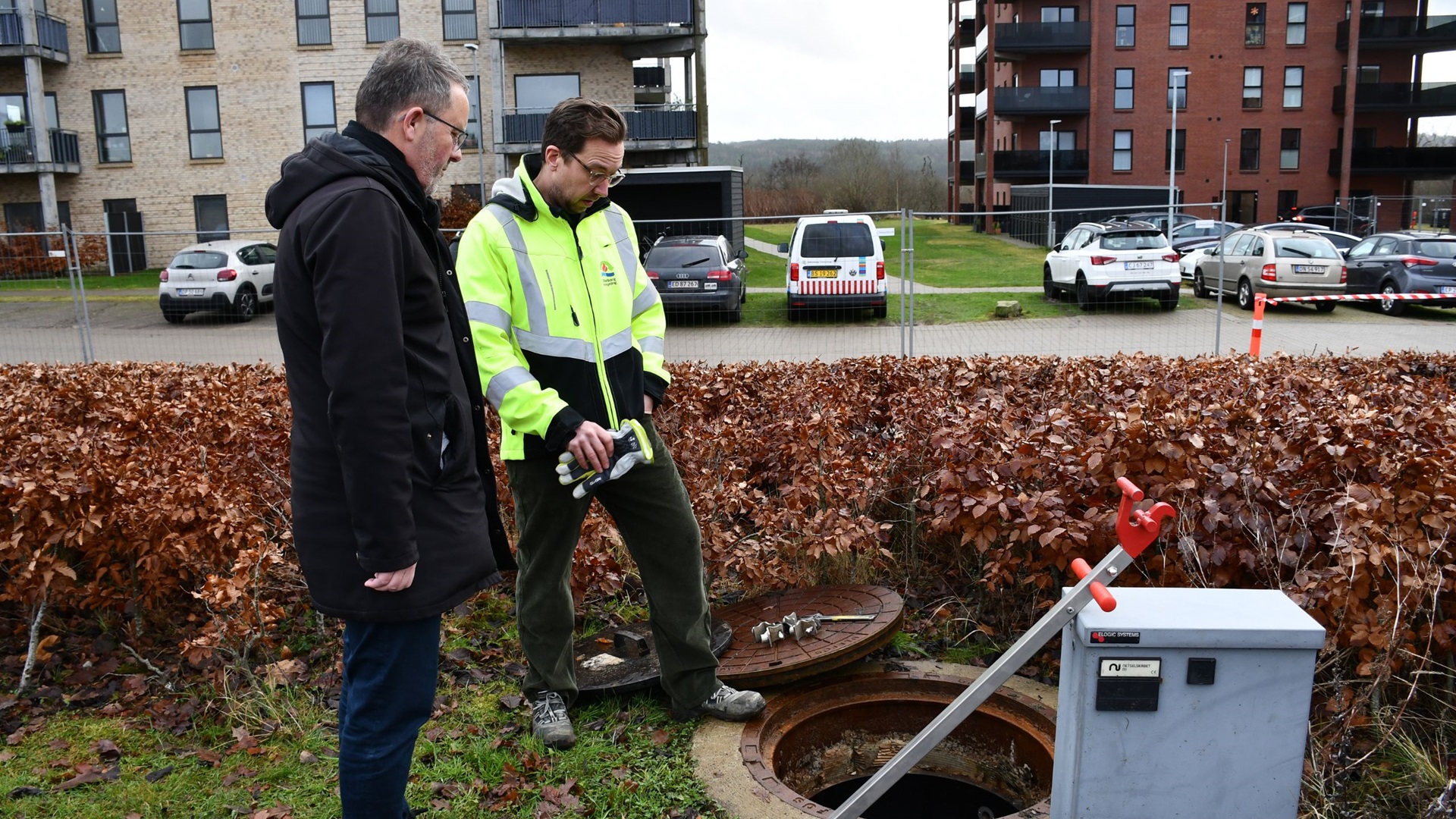
In addition, the AVK Smart Water system is used in the daily monitoring of the pressure in the distribution system to provide consumers and plumbers with knowledge about the supply pressure they can expect at the household.
“We monitor the pressure levels both during the day and across the week, to see if we can regulate it up or down in the different sections, to achieve an energy saving”, says Gert Rasmussen from Silkeborg Forsyning.
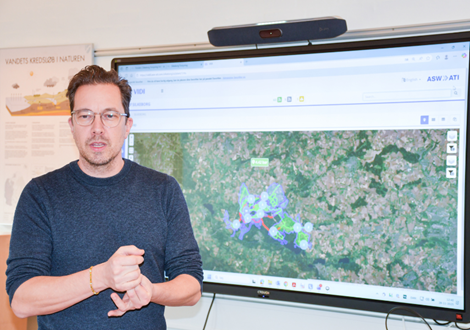
Likewise, Silkeborg Forsyning use the Smart Water system to give contractors and blacksmiths a better understanding of how the water pipeline network is connected, with transmission lines and sections. A few different maps have been imported into the VIDI Cloud system, and it helps with the visual understanding.
“AVK Smart Water has provided us with several benefits, but if I were to highlight just a few, it would be that we, as a water utility, have gained an almost complete overview of the dynamics of our water networks and its sections. And the more data we log, the easier it becomes for us to detect deviations.”
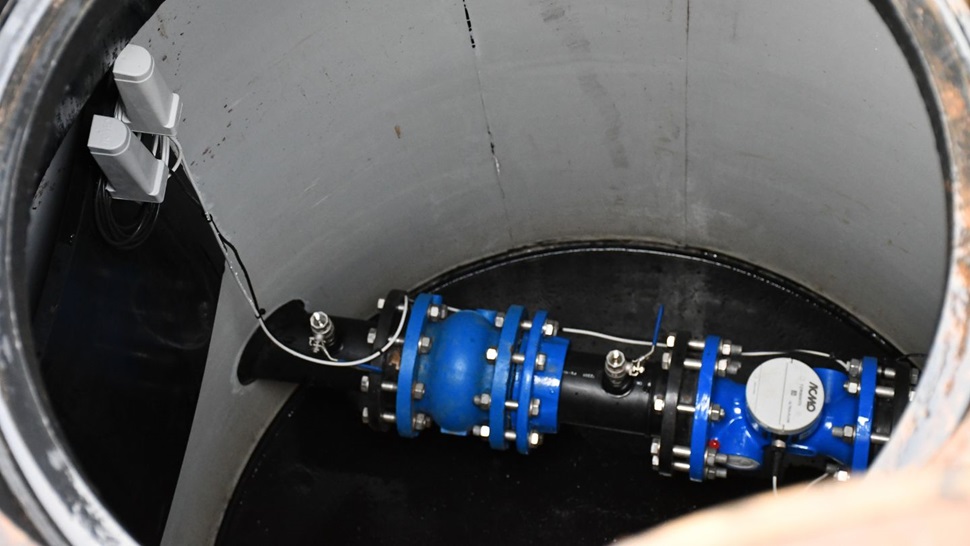
The chosen solution included wireless, battery-powered sensors with stable data transmission, configurable measurement intervals, alarm functionality, and seamless integration with Silkeborg Forsyning’s SCADA and IT systems.
Silkeborg Forsyning invested in 33 AVK VIDI Flow transmitters, 33 AVK VIDI flow meters, and 35 AVK VIDI Pressure sensors as well as a subscription for VIDI Cloud Basic. Next, they will implement VIDI Cloud Premium with Leak Monitor software to analyse night flow and pinpoint leaks within each DMA, further enhancing network efficiency and supporting more sustainable water management.
Today, we are wasting tomorrow’s water
Water is a scarce resource in many parts of the world. Yet, in some countries, between 20 and 50% of the treated water is wasted on its way to consumers. Consequently, up to 50% of energy used for production and distribution of treated water is wasted too. By 2040, approximately 79% more energy will be used for water management compared to 2014 if we continue to operate as we do now.
The reasons for water loss are many, ranging from leakages, pipe bursts, poor water management to illegal connections and unauthorised consumption. Likewise, many solutions are available.