InterLink no. 70: Expect stories from the world of AVK 🌍
In the February edition of our InterLink magazine, you can read about some of our latest projects, initiatives and business highlights 💦 Enjoy! 27-02-2026
Rethinking water: Why smarter infrastructure must replace evaporated potential
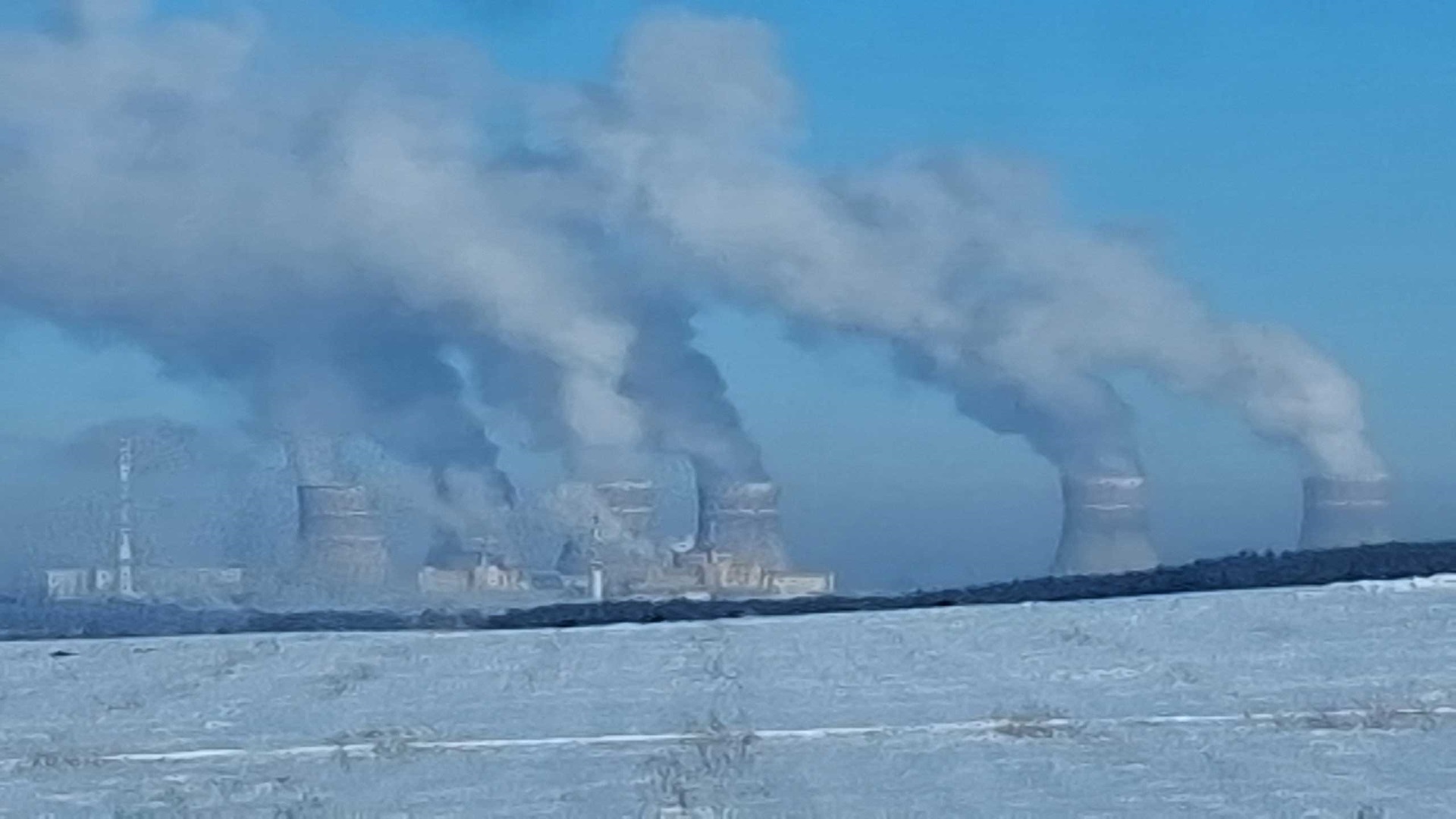
Recently, I drove past a traditional power plant, probably fired with oil or coal. Again, this got me thinking about water, about its scarcity as a resource.
Of the total amount of water on this planet, only 1% of our freshwater supply is available as drinking water. If you divide this one percent into how it is consumed, agriculture and food production take about 70%, industry and energy production 20%. This leaves only 10% of the 1% for us humans as drinking water.
By looking at the enormous amounts of evaporated cooling water that rises from the five cooling towers at the power plant, I think it puts things into perspective. This water will be gone for the next hundred years before it returns to the earth as rain. Is this really necessary? Couldn’t we just as well keep it "on the ground" and make it available as drinking water, when so many are in need of safe drinking water?
Also, the mere fact that a conventional power plant uses such huge amounts of freshwater for cooling (if not located in a coastal area) speaks in favor of the transition toward renewable energy – but that is, of course, a different discussion. The International Energy Agency has calculated that if the entire world's water infrastructure is made energy neutral, it will save the planet 650 TWh of energy, which is equivalent to all coal-fired power plants in Europe.
The power plant I passed is located in the eastern part of Europe in a country with a water infrastructure in rather poor condition and which critically needs renovation. In one of the cities, I visited their water supply facilities to discuss a non-revenue water project and their future dream scenario: an energy-neutral water infrastructure. When you talk about it, it sounds easy, but is not that simple to complete: renovate the distribution network, and produce your own energy at the treatment plant. But where to start, and then what? The most logical thing is to start by closing off all gaps in the distribution network, thereby reducing the heavy water waste, which in many cases is as high as 30-40%. This also has a beneficial effect on the electricity bill, because you no longer have to pump all that wasted water for no purpose. Finally, it makes sense to monitor the distribution network, to make sure that any gaps are located and fixed.
The good news is that there is a lot of digital know-how and available solutions already, including from AVK’s side. You can read more about that in this edition of the magazine.
Happy reading,
Michael Ramlau-Hansen
Download